Source eco friendly velvet woven persian carpet for Home Hotel Mosque
Compare 30 listings of eco friendly velvet woven persian carpet suitable for home decor, hotel interiors, and mosque prayer areas. Buyers can review customization options, pile weights, and delivery times from verified suppliers.
Key considerations
Products List


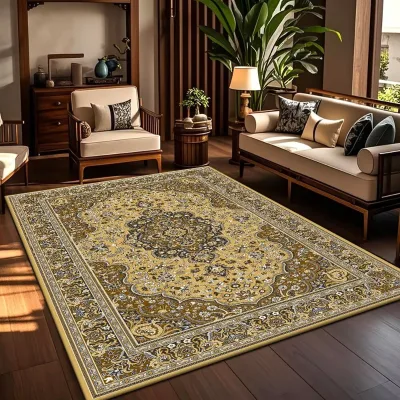


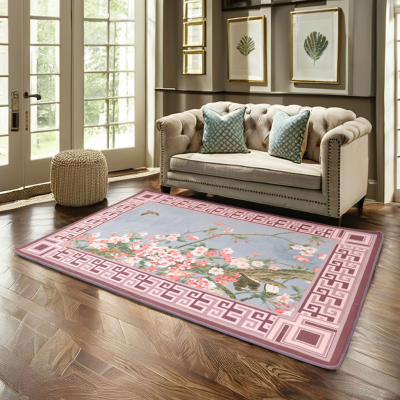
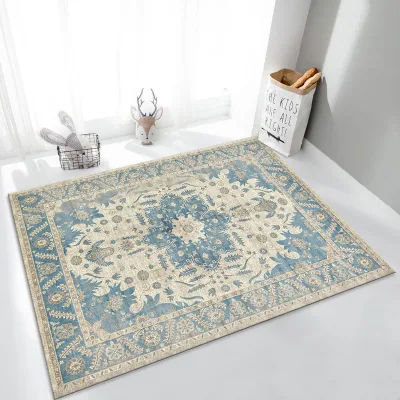
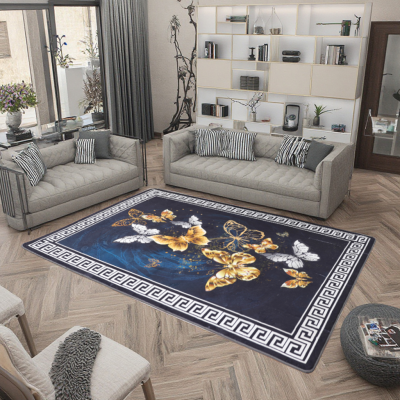


Comprehensive Sourcing Guide
Strategic Sourcing Guide for Eco-Friendly Velvet Woven Persian Carpets
Understanding Product Construction and Technical Specifications
When sourcing eco-friendly velvet woven Persian carpets, buyers must first distinguish between the various manufacturing techniques and material compositions available in the current market. The term "velvet" in carpet terminology often refers to a high-density, cut-pile construction that provides a soft, plush surface, while "woven" typically implies a specific loom-based production method. However, the supply data indicates a diverse range of technical approaches, including Wilton weaving and Tufting, which are distinct from traditional hand-knotted or power-loomed woven methods.
The pile height is a critical specification that directly influences the "velvet" feel and durability. Observed market data suggests a pile height range of 6-12mm, with options for customization. This dimension is essential for achieving the dense, soft texture associated with velvet carpets. Furthermore, the pile weight, which correlates with density and longevity, varies significantly across suppliers, ranging from 750g/Sqm to 2000g/Sqm, with specific listings noting weights of 800g, 900g, and 1000g per square meter. For an eco-friendly product, the material composition is paramount. While the core keyword specifies "velvet," the actual supply chain offers materials including Wool, Chemical Fiber, and blends of Polypropylene, Nylon, and Polyester. The backing systems also vary, with options including 100% Polyester Warp with PP Weft, Fabric Backing, or Mesh Backing. Buyers must verify that the specific "woven" construction aligns with their durability requirements, as Tufted carpets, which are also prevalent in this category, may have different structural integrity characteristics compared to Wilton woven products.
Material Composition and Environmental Compliance Verification
The designation of "eco-friendly" requires rigorous verification of material sourcing and chemical safety, as this attribute is not universally guaranteed across all listings. The supply data confirms the availability of Wool, a natural and biodegradable fiber, as well as Chemical Fiber and Polyester options. While Wool is inherently sustainable, synthetic fibers like Polypropylene and Polyester require specific processing to meet eco-standards. Buyers should note that while some background information mentions certifications like GOTS (Global Organic Textile Standard) and OEKO-TEX, these are listed as low-confidence background data and should not be assumed as present without direct supplier confirmation.
To ensure the carpet meets genuine eco-friendly criteria, procurement teams must request specific test reports regarding formaldehyde content, heavy metals, and volatile organic compounds (VOCs). The standard production context indicates that many carpets are manufactured in China, where regulatory environments vary. Therefore, relying on general claims is insufficient. Buyers should explicitly ask for proof of compliance with international safety standards such as ISO 105 for color fastness and specific fire resistance ratings, which are often critical for commercial and hospitality applications. The "Advantages" listed in the supply data include "Fire Resistant" and "Oil-Proof," but these are product features that must be validated through third-party testing for the specific batch ordered. Without explicit certification documentation, the "eco-friendly" label remains a marketing assertion rather than a verified technical fact.
Cost Drivers and Pricing Structure Analysis
The pricing structure for Persian-style carpets is influenced by a complex interplay of material costs, production complexity, and order volume. The observed market data reveals a wide price range, from $0.20 to $99.00 USD per unit. This variance is primarily driven by the distinction between small prayer rugs and large wall-to-wall carpet tiles or broadloom. The Minimum Order Quantity (MOQ) is another significant cost driver, with observed ranges spanning from 1 unit to 6000 units. For buyers seeking "eco-friendly" materials like high-grade wool, the MOQ may be higher, and the unit price will reflect the premium cost of natural fibers compared to chemical fibers or polypropylene blends.
Production techniques also impact cost. Wilton weaving, which creates intricate patterns and high density, is generally more labor-intensive and costly than Tufting or Printed methods. The supply data indicates that customization is available, which invariably adds to the cost. Customization options include specific pile heights, custom colors, and unique designs such as "Muslim" or "Persian Modern Traditional" motifs. Additionally, the delivery time, typically ranging from 7 to 25 work days depending on quantity, can affect the total landed cost if expedited shipping is required. Buyers should structure their procurement strategy to balance the unit price against the MOQ, ensuring that the total investment aligns with the budget while securing the desired material quality.
Typical Applications and Functional Requirements
The versatility of Persian-style carpets allows for a wide array of applications, from residential spaces to high-traffic commercial environments. The supply data highlights usage in Home, Decoration, Commercial, Hotel, Prayer, Exercise, and Office settings. For "eco-friendly" carpets in commercial or hospitality sectors, functional features such as sound absorption, fire resistance, and oil-proofing are critical. The "Tufted Carpet Broadloom" and "Carpet Tile" classifications suggest suitability for areas requiring modular installation or easy replacement.
Specific design elements, such as the "Muslim" or "Prayer" motifs, cater to religious and cultural spaces, while "Modern" and "Vintage" styles fit contemporary interior design trends. The "Anti-Slip" feature is particularly important for safety in hotels, apartments, and public buildings. When selecting a carpet for a specific application, buyers must consider the pile weight and construction. High-traffic areas like hotel lobbies or offices require higher pile weights (e.g., 1500g/Sqm or above) and durable backings like 100% Polyester Warp with PP Weft to withstand wear. In contrast, residential bedrooms or prayer rooms may prioritize softness and aesthetic appeal over extreme durability. The "Place of Use" data includes diverse environments such as bars, cafes, and cinemas, indicating that the carpet must also meet acoustic and aesthetic standards specific to each venue.
Supplier Evaluation and Production Capability Assessment
Evaluating suppliers for eco-friendly velvet woven Persian carpets requires a deep dive into their manufacturing capabilities and transparency. The supply data indicates that products originate from China, with specific mentions of "China Factory" as the source. Buyers should verify the supplier's capacity to handle the specific production techniques required, such as Wilton weaving versus Tufting. The availability of OEM/ODM services suggests that many suppliers are capable of customizing designs, materials, and specifications to meet buyer requirements.
Key evaluation criteria should include the supplier's ability to provide detailed product specifications, including exact material composition, pile height, and backing type. The "Customization" attribute is widely available, but buyers must ensure that the supplier can maintain consistency in quality across large orders. The delivery time, typically 15-25 work days, should be factored into the supply chain planning. Additionally, the packing method, which ranges from Roll Packing in PP Bags with Woven Bags to PE Bags and Woven Bags, is crucial for protecting the product during transit. Buyers should request samples to verify the "velvet" texture and the quality of the weave before committing to a large order.
Quality Control and Long-Term Procurement Considerations
Ensuring long-term quality and sustainability requires a robust quality control (QC) framework. Buyers should implement a multi-stage QC process that includes pre-production sample approval, in-process inspections, and final random inspections. Given the variability in pile weight and material composition, it is essential to verify that the delivered product matches the agreed-upon specifications. The "Carving" feature, which allows for custom requests, adds a layer of complexity to QC, requiring precise verification of the design execution.
For long-term procurement, buyers should consider the lifecycle of the carpet. Eco-friendly materials like wool offer better biodegradability and longevity compared to some synthetic alternatives, but they require specific care. The "Sound Absorbed" and "Comfort" advantages highlight the functional benefits that contribute to long-term value. Buyers should also evaluate the supplier's ability to provide consistent replacements or expansions of the carpet line, ensuring that the "Modern" or "Traditional" design remains consistent over time. The "Standard" width of 4m for broadloom carpets and the availability of custom lengths provide flexibility for large-scale projects. By focusing on these technical and operational details, buyers can secure a reliable supply of high-quality, eco-friendly Persian carpets that meet both aesthetic and functional requirements.
Comparative Analysis of Carpet Types and Features
To assist in decision-making, the following table compares key attributes of the different carpet types observed in the supply data. This comparison helps buyers align their specific project needs with the available product specifications.
| Feature | Wilton Woven | Tufted | Printed |
|---|---|---|---|
| Primary Technique | Loom-based weaving | Needle punching into backing | Surface printing on fabric |
| Typical Pile Height | 6-12mm (Customizable) | 6-12mm (Customizable) | Variable |
| Material Options | Wool, Chemical Fiber | Wool, Polypropylene, Nylon | Polyester, Chemical Fiber |
| Design Flexibility | High (Intricate patterns) | High (Custom designs) | High (Full color range) |
| Durability | Very High | High | Moderate to High |
| Common Usage | Luxury, Commercial, Prayer | Residential, Office, Hotel | Decorative, Residential |
| Backing Type | Polyester Warp/PP Weft | Fabric/Mesh Backing | Varies |
| Eco-Verification | Requires specific material certs | Requires specific material certs | Requires specific material certs |
This table illustrates that while all types can be customized, the Wilton woven method often offers superior durability for high-traffic areas, whereas Tufted and Printed carpets may offer greater design flexibility at a potentially lower cost. Buyers must weigh these factors against their specific "eco-friendly" requirements and budget constraints.
Final Procurement Recommendations
In conclusion, sourcing eco-friendly velvet woven Persian carpets requires a meticulous approach that balances technical specifications, material authenticity, and supplier reliability. Buyers should prioritize suppliers who can provide transparent documentation regarding material composition and environmental compliance. By focusing on the specific attributes such as pile weight, backing type, and production technique, procurement teams can ensure that the final product meets the rigorous demands of modern interior design and sustainability goals. The wide range of available options, from prayer rugs to broadloom carpets, offers significant flexibility, but success depends on clear communication of requirements and rigorous quality control throughout the supply chain.
FAQs
What customization options are available for these carpets?
Customization is available for pile height, color, and design motifs. Buyers can request specific pile heights between 6-12mm and choose from modern or traditional Muslim designs. The product standard allows for customized lengths on a 4m width base.
How long does delivery typically take for these orders?
Delivery time usually ranges from 15 to 25 work days depending on the order quantity. Some listings indicate a lead time of 7 to 25 work days based on volume. This duration accounts for production and packaging in PP or PE bags.
Which materials are used in the construction of these carpets?
Materials include wool, chemical fiber, polyester, and polypropylene blends. Some products feature a 100% polyester warp with PP weft backing, while others use fabric or mesh backing. The pile weight varies from 750g to 2000g per square meter.
Can these carpets be used in commercial hotels and offices?
Yes, these carpets are suitable for home, decoration, commercial, hotel, prayer, exercise, and office usage. They offer features like sound absorption, fire resistance, and oil-proofing. The anti-slip feature makes them safe for high-traffic areas like hotels and bars.
What is the minimum order quantity for purchasing these carpets?
The minimum order quantity ranges from 1 to 6000 units depending on the supplier and product type. Prices vary significantly from 0.2 to 99 USD per unit. Buyers should check specific listings for exact MOQ requirements tailored to their order size.
Which manufacturing techniques are used for these Persian carpets?
The available techniques include Wilton weaving and Tufting, with some printed options. These methods produce different pile constructions like cut pile or loop pile. The choice of technique affects the texture, durability, and intricate pattern capabilities of the final product.